Off-Grid Water Pumping: Sizing a Solar System That Works
Running pumps off-grid on solar is achievable, but undersizing is a costly mistake. Here's how to get the numbers right from the start.

Whether you're on a rural property, remote hobby farm, or bush block, pumping water without grid power is one of the most practical—and most commonly botched—off-grid solar applications in Australia. Get the sizing wrong and you'll either drain your batteries by mid-afternoon or spend money on hardware you don't need.
This guide walks through the key decisions, the numbers that matter, and the mistakes that trip people up.
Why Water Pumping Is a Unique Off-Grid Challenge
Most off-grid solar guides focus on household loads—lights, fridges, TVs. Water pumps are different for a few reasons:
- High inrush current. A pump's starting draw can be 3–6× its running wattage. A 750 W pump may pull 3,000–4,500 W at startup, which must be within your inverter's surge capacity.
- Irregular run times. Pumps don't draw power constantly—they cycle on and off, making load estimation less straightforward.
- Seasonal demand shifts. Stock water needs and irrigation demands peak in Australian summers (December–February), exactly when you have the most solar generation but also the heaviest battery cycling.
Step 1 — Know Your Pump's Power and Daily Runtime
Start by finding the pump's nameplate wattage or reading the data sheet. If you're yet to buy a pump, get this figure from the supplier before anything else.
Estimate how many hours per day the pump runs at full load. Example:
| Pump type | Typical wattage | Avg daily runtime | Daily energy use |
|---|---|---|---|
| Small pressure pump (house) | 400–600 W | 2–4 hrs | 0.8–2.4 kWh |
| Bore/submersible pump | 750–1,500 W | 1–3 hrs | 0.75–4.5 kWh |
| Irrigation surface pump | 1,500–3,000 W | 2–6 hrs | 3–18 kWh |
For stock watering on large properties, pumping into a header tank during daylight only—and letting gravity feed troughs from there—dramatically reduces battery storage needed.
Step 2 — Size the Battery Bank
A common rule of thumb for off-grid is two days of autonomy (i.e., enough battery storage to run critical loads through two days of poor solar). For pumping only, one day is often adequate if you use a header tank as a buffer.
Ready to get started? Post your job free and local off-grid tradies can quote.
Formula:
Battery capacity (kWh) = Daily pump energy (kWh) ÷ usable depth of discharge
Most lithium iron phosphate (LFP) batteries are rated to 80–90% depth of discharge (DoD). Lead-acid should be kept above 50% DoD to preserve cycle life.
Example: a bore pump using 2.5 kWh/day, with one day autonomy and LFP batteries at 80% DoD: 2.5 ÷ 0.8 = 3.1 kWh minimum battery capacity
If you need two days' autonomy, double it to ~6.2 kWh.
Step 3 — Size the Solar Array
Your panels need to cover daily pump consumption plus charge losses (typically 15–20% for the charge controller and wiring) plus any other household loads.
Australia's solar peak sun hours vary significantly:
- Darwin/Alice Springs: ~5.5–6.5 hrs/day year-round
- Regional Queensland/WA: ~5.0–6.0 hrs/day
- Regional NSW/Victoria: ~4.0–5.0 hrs/day (winter can drop below 3.5)
- Tasmania: ~3.0–4.5 hrs/day
Formula:
Panel capacity (kW) = Daily energy needed (kWh) ÷ peak sun hours × 1.25 (losses)
Using the 2.5 kWh/day bore pump example in central Queensland (~5.5 peak hours):
2.5 ÷ 5.5 × 1.25 = ~0.57 kW of panels just for the pump
In practice, most installers round up and add headroom for cloudy days.
Step 4 — Choose the Right Inverter
This is where many DIY setups fail. Your inverter must handle the pump's surge current, not just its running wattage. Check the manufacturer's surge rating (usually listed as a 5-second or 10-second surge capacity).
Soft-starters or variable speed drives (VSDs) fitted to the pump motor can reduce startup surge by 40–60%, allowing a smaller inverter and reducing stress on the battery bank. For pumps above 1 kW, a VSD is worth pricing in from the outset.
Common Mistakes to Avoid
- Sizing on running watts, ignoring surge. Inverter cuts out every time the pump starts.
- No header tank. Pumping directly on demand means the battery carries the full load. A 5,000–10,000 L tank lets you pump during peak solar hours only.
- Underestimating dry-season demand. Stock and irrigation needs jump in summer. Size for your peak month, not the average.
- Skipping a water metre. Without knowing actual daily litres pumped, future troubleshooting is guesswork.
- Using lead-acid in a high-cycle application. If the pump cycles daily, LFP's cycle life (3,000–6,000 cycles vs 500–1,200 for AGM) often makes it cheaper over a 10-year horizon despite higher upfront cost.
Actionable Takeaway
Before contacting any installer or buying any hardware, nail down three numbers: your pump's running wattage, its surge wattage, and your estimated daily runtime. With those in hand, you can verify any quote or spec sheet yourself—and avoid the most expensive off-grid sizing mistakes before they happen.
Done researching? The next step is getting real quotes.
Get My Quotes — It’s Free →No obligation. Takes 60 seconds.
Business for sale
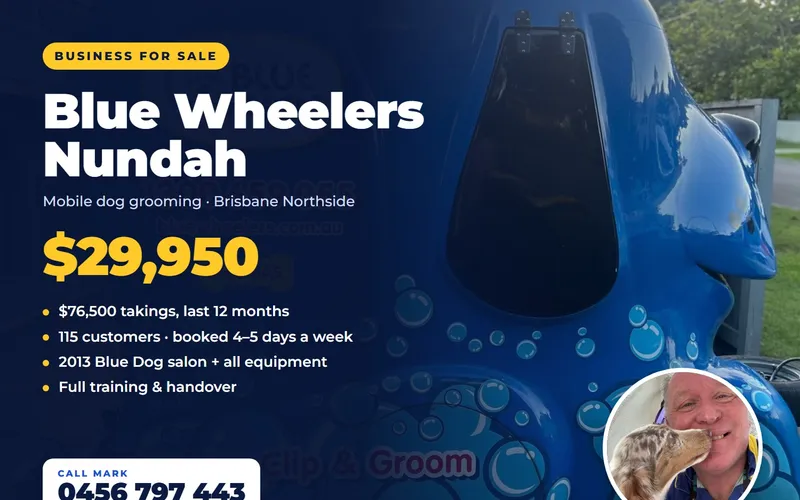
Established Blue Wheelers Mobile Dog Grooming Business – Nundah, Brisbane Northside
Established Blue Wheelers mobile dog grooming business on Brisbane's northside: 115 customers, about $76,500 in takings over the last 12 months, booked 4–5 days a week, with full training and handover.
Local tradies on TradiHub AI
See all →We don't have a matching tradie listed yet. Post your job free and local tradies can quote you directly.
Post a job, free →More tradies on TradiHub AI
Bin Chicken Recycling
Rubbish Removal
ZC Property Maintenance
Painting · Carpentry · Fencing
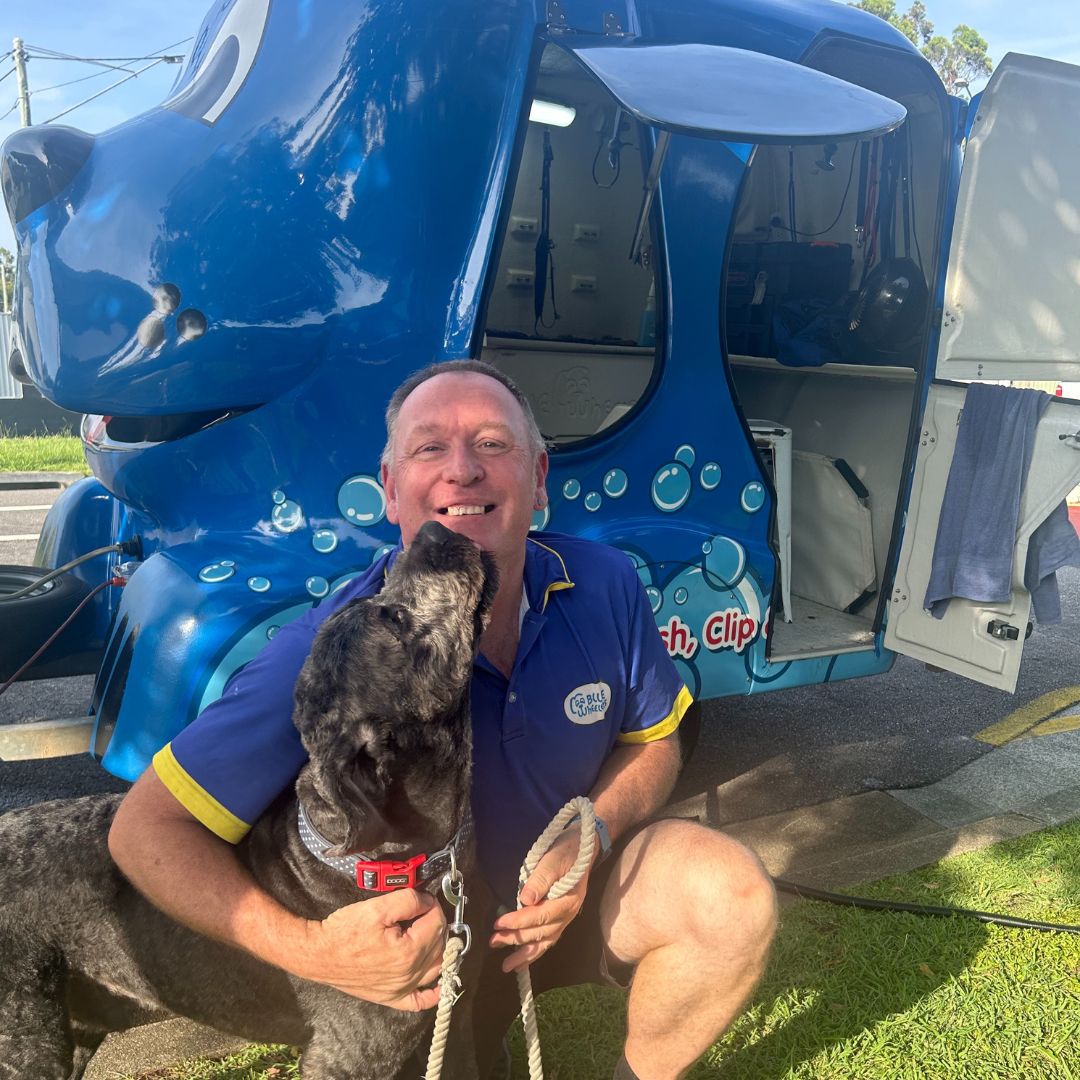
Blue Wheelers Nundah — Mobile Dog Grooming
Dog Grooming
Find local:Solar installers in CarindaleSolar installers in CoorparooSolar installers in Mount GravattSolar installers in Sunnybank
For tradies
Tradies: get found by local homeowners
A free-to-start local directory with your real Google reviews and an ABN-checked tick. No per-lead fees, no lock-in. Founding members wanted.