Solar Hot Water Costs in Australia: 2026 Buyer's Guide
What Australians actually pay for solar hot water in 2026 — hardware, installation, rebates, and realistic payback periods explained.

Heating water accounts for roughly a quarter of a typical Australian household's energy bill, making solar hot water one of the highest-impact upgrades you can make. But the upfront cost confuses a lot of buyers. Here's a clear breakdown of what to expect in 2026.
What You're Actually Paying For
A solar hot water system has two main components: the collector (panels or tubes on your roof) and the storage tank. Most Australian homes choose one of two collector types:
- Flat-plate collectors — robust, well-suited to most climates, lower upfront cost
- Evacuated tube collectors — better performance in cold or cloudy conditions (think Canberra, the Victorian highlands, or Tasmania)
The tank can sit on the roof (thermosiphon) or on the ground with a separate pump (split system). Ground-mounted tanks suit homes with tile roofs or weight restrictions.
Typical 2026 System Costs
| System Type | Hardware + Installation (AUD) |
|---|---|
| Flat-plate, rooftop tank (small, 1–2 people) | $2,800 – $3,800 |
| Flat-plate, rooftop tank (family, 3–5 people) | $3,500 – $5,000 |
| Evacuated tube, split system (family) | $4,500 – $7,000 |
| Heat pump (not solar thermal, but often compared) | $3,500 – $6,000 |
Prices vary by state and installer. Labour in regional areas can run $300–$600 higher than metro quotes due to travel costs.
Rebates and Incentives Available in 2026
The federal Small-scale Technology Certificate (STC) scheme still applies to solar hot water systems and reduces your out-of-pocket cost at the point of sale — your installer typically deducts the value upfront rather than making you claim it yourself. The number of STCs you receive depends on your climate zone and system output.
In practical terms, most families in zones 3–4 (Sydney, Melbourne, Adelaide, Perth, Brisbane) receive an STC discount of $700 – $1,400 off the quoted price. Sunnier zones (Darwin, far north Queensland) attract higher STC values.
Ready to get started? Post your job free and local solar hot water tradies can quote.
State-level rebates change frequently, so check directly with your state energy authority:
- Victoria: The Victorian Energy Upgrades (VEU) program often covers solar hot water; get quotes from accredited providers.
- NSW, QLD, WA, SA: Periodic rebate programs exist but tend to open and close — check the current status before budgeting.
Running Costs and Payback Period
A gas storage system typically costs $600–$900 per year to run for a family of four. A well-sized solar hot water system reduces that to $100–$250 in boosting costs (electricity or gas for the backup element on cloudy stretches).
Using those figures:
- Annual saving: roughly $500–$700
- Net upfront cost after STCs: $3,000–$4,500 for a mid-range family system
- Simple payback: 5–8 years
That's a reasonable payback for a system with a 15–20 year lifespan. Evacuated tube systems cost more but perform better through winter, which matters if you're in Hobart, the ACT, or alpine Victoria.
Common Mistakes to Avoid
Not checking roof orientation and shading. Collectors need a northerly aspect with minimal shade between 9am and 3pm. A shaded roof can cut output by 30–50%, blowing out payback times.
Choosing a system sized for a different household. An undersized tank means the booster runs constantly; oversized systems can overheat in summer. Match tank capacity to your actual number of occupants — roughly 50–60 litres per person as a starting guide.
Ignoring the booster type. Electric boosters cost more to run than gas. If you're replacing a gas system and staying on gas, confirm the booster is gas-compatible, or factor higher electricity costs into your payback calculation.
Skipping the CEC-accredited installer requirement. STCs are only available when the system is installed by a Clean Energy Council accredited installer. Using an uncertified tradie means you forfeit the rebate.
Not budgeting for a roof assessment. Older tile or metal roofs may need reinforcement for a rooftop tank. Get a roof condition check included in your quote.
Actionable Takeaway
Before contacting installers, write down three things: your household size, your roof's orientation (a compass app works fine), and whether you're currently on gas or all-electric. Share those details in every quote request — it forces installers to price the right system rather than defaulting to their highest-margin unit. Get at least three quotes, confirm each installer's CEC accreditation, and ask for the STC discount to be shown as a separate line item so you can see exactly what you're receiving.
Done researching? The next step is getting real quotes.
Get My Quotes — It’s Free →No obligation. Takes 60 seconds.
Business for sale
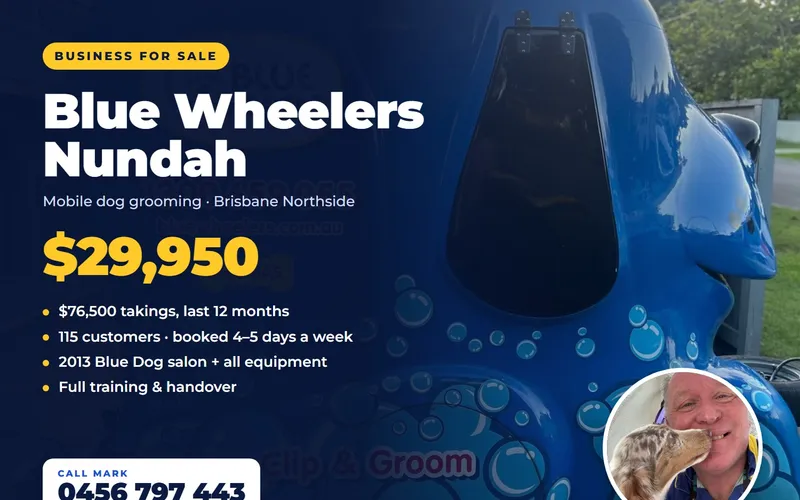
Established Blue Wheelers Mobile Dog Grooming Business – Nundah, Brisbane Northside
Established Blue Wheelers mobile dog grooming business on Brisbane's northside: 115 customers, about $76,500 in takings over the last 12 months, booked 4–5 days a week, with full training and handover.
Local tradies on TradiHub AI
See all →
More tradies on TradiHub AI

Brisbane Bicycle Service
Bike Repair & Custom Builds
Bin Chicken Recycling
Rubbish Removal
Find local:Solar installers in LoganSolar installers in SpringfieldSolar installers in IpswichSolar installers in Southport
For tradies
Tradies: get found by local homeowners
A free-to-start local directory with your real Google reviews and an ABN-checked tick. No per-lead fees, no lock-in. Founding members wanted.