Solar Hot Water vs Heat Pump: Which Suits Your Home?
Comparing solar thermal hot water systems and heat pump alternatives to help Australian households choose the right fit for their climate and budget.

Choosing a new hot water system is one of the more consequential decisions a homeowner makes — you'll live with it for 10 to 15 years. Two low-emission options dominate the conversation right now: traditional solar thermal hot water and heat pump water heaters. Both cut running costs compared with electric resistance or gas storage systems, but they work very differently and suit different households.
How Each Technology Works
Solar thermal hot water uses roof-mounted collectors to absorb sunlight and transfer that heat directly to water stored in a tank. The tank is usually on the roof (close-coupled) or on the ground with a pump circulating fluid (split system). A gas or electric booster kicks in on cloudy days.
Heat pump water heaters don't need roof collectors at all. They sit on the ground like a standard hot water unit and work like a reverse refrigerator — extracting heat from ambient air and using it to warm water. They run on electricity, but they're typically two to four times more efficient than a standard electric element, depending on ambient temperature.
Side-by-Side Comparison
| Factor | Solar Thermal | Heat Pump |
|---|---|---|
| Typical supply + install cost (AUD) | $3,000 – $6,500 | $1,800 – $4,500 |
| Roof space required | Yes (2–4 m²) | No |
| Works on cloudy days | Needs booster | Yes, less efficiently |
| Performance in cold climates | Reduced in winter | Reduced below ~5 °C |
| Lifespan | 15–20 years (collectors) | 10–15 years |
| STC rebates applicable | Yes | Yes |
| Maintenance needs | Annual collector check | Minimal |
Costs vary by state, installer, and system size. Get at least three quotes before committing.
Where Solar Thermal Has the Edge
Solar thermal shines — literally — in high-sun regions. If you're in Queensland, the Northern Territory, or inland Western Australia, your collectors will produce hot water reliably for most of the year with minimal booster use. A family of four in Brisbane can realistically cover 70–90% of annual hot water demand from solar alone.
Solar thermal also makes sense if you already have a good north-facing roof slope and want to minimise ongoing electricity dependence entirely. Once the system is paid off, running costs are very low.
Ready to get started? Post your job free and local solar hot water tradies can quote.
The main downsides: roof-mounted tanks are heavy and require structural assessment; close-coupled systems can look bulky; and if a collector or valve fails, repairs need a specialist.
Where Heat Pumps Have the Edge
Heat pumps are easier to retrofit. They don't need a north-facing roof, they fit in a side passage or garage courtyard, and installation is simpler — no roof penetrations, no pipework running up the exterior wall.
For homes in Victoria, Tasmania, or southern NSW where winter sun is limited and frost is possible, a heat pump often outperforms a solar thermal system with a booster over the full year. Modern cold-climate heat pumps operate down to around 5 °C, though efficiency drops noticeably below 10 °C.
Heat pumps pair extremely well with rooftop solar PV. If you already have panels, scheduling the heat pump to run during midday solar generation hours can slash running costs further — some households get hot water for close to nothing on sunny days.
Heat pump considerations to keep in mind:
- They produce some noise (similar to a small air conditioner) — avoid placing them directly under bedroom windows
- They need airflow clearance around the unit
- In areas with soft water, check the anode rod annually to protect the tank
What About STC Rebates?
Both technologies qualify for Small-scale Technology Certificates (STCs) under the federal scheme, reducing upfront cost. The number of STCs — and therefore the discount — depends on your location zone and system output. In 2026 the STC scheme continues to step down gradually toward its 2030 end date, so the rebate is slightly lower than in prior years. Ask your installer to itemise the STC discount in your quote so you can compare apples with apples.
Some states also offer additional rebates or interest-free loans for heat pumps specifically — check your state energy authority's website before purchasing.
How to Decide
Run through these questions:
- Do you have a good north-facing roof with no shading? Solar thermal becomes more attractive.
- Do you already have solar PV panels? A heat pump pairs naturally with existing generation.
- Are you in a cold or cloudy climate? Heat pump often wins on annual efficiency.
- Is upfront cost the main constraint? Heat pumps generally have a lower entry price.
- Do you use a lot of hot water? Larger families may get better value from solar thermal's high daily output capacity.
Actionable Takeaway
Before you call a plumber, map your situation: climate zone, roof orientation, whether you have PV panels, and how many people are in the household. Take that information to two or three accredited installers (look for the Clean Energy Council accreditation mark) and ask each to quote both options with the STC discount applied. The right answer is almost always site-specific — and a good installer will tell you honestly which technology suits your home rather than defaulting to whichever they prefer to sell.
Done researching? The next step is getting real quotes.
Get My Quotes — It’s Free →No obligation. Takes 60 seconds.
Business for sale
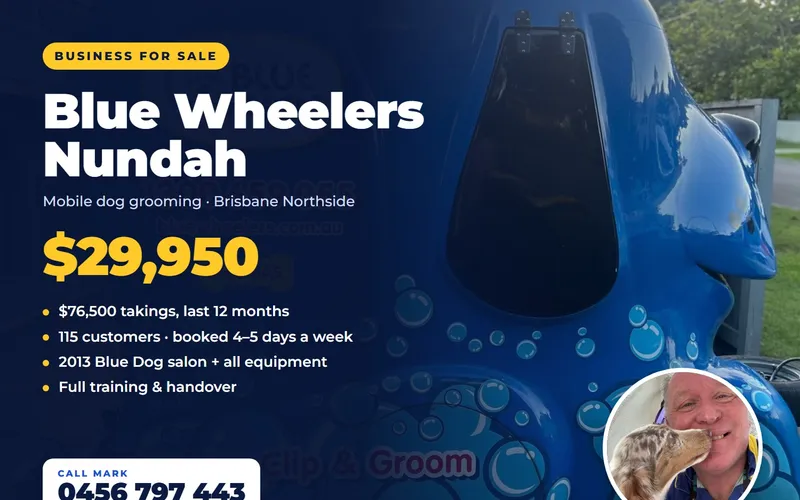
Established Blue Wheelers Mobile Dog Grooming Business – Nundah, Brisbane Northside
Established Blue Wheelers mobile dog grooming business on Brisbane's northside: 115 customers, about $76,500 in takings over the last 12 months, booked 4–5 days a week, with full training and handover.
Local tradies on TradiHub AI
See all →
More tradies on TradiHub AI

Brisbane Bicycle Service
Bike Repair & Custom Builds
Bin Chicken Recycling
Rubbish Removal
Find local:Solar installers in SouthportSolar installers in RobinaSolar installers in MaroochydoreSolar installers in Caloundra
For tradies
Tradies: get found by local homeowners
A free-to-start local directory with your real Google reviews and an ABN-checked tick. No per-lead fees, no lock-in. Founding members wanted.