Solar Inverter Faults: How to Diagnose and Fix Common Errors
Inverter error codes killing your solar output? Here's how to read the warning signs, what you can fix yourself, and when to call a sparky.
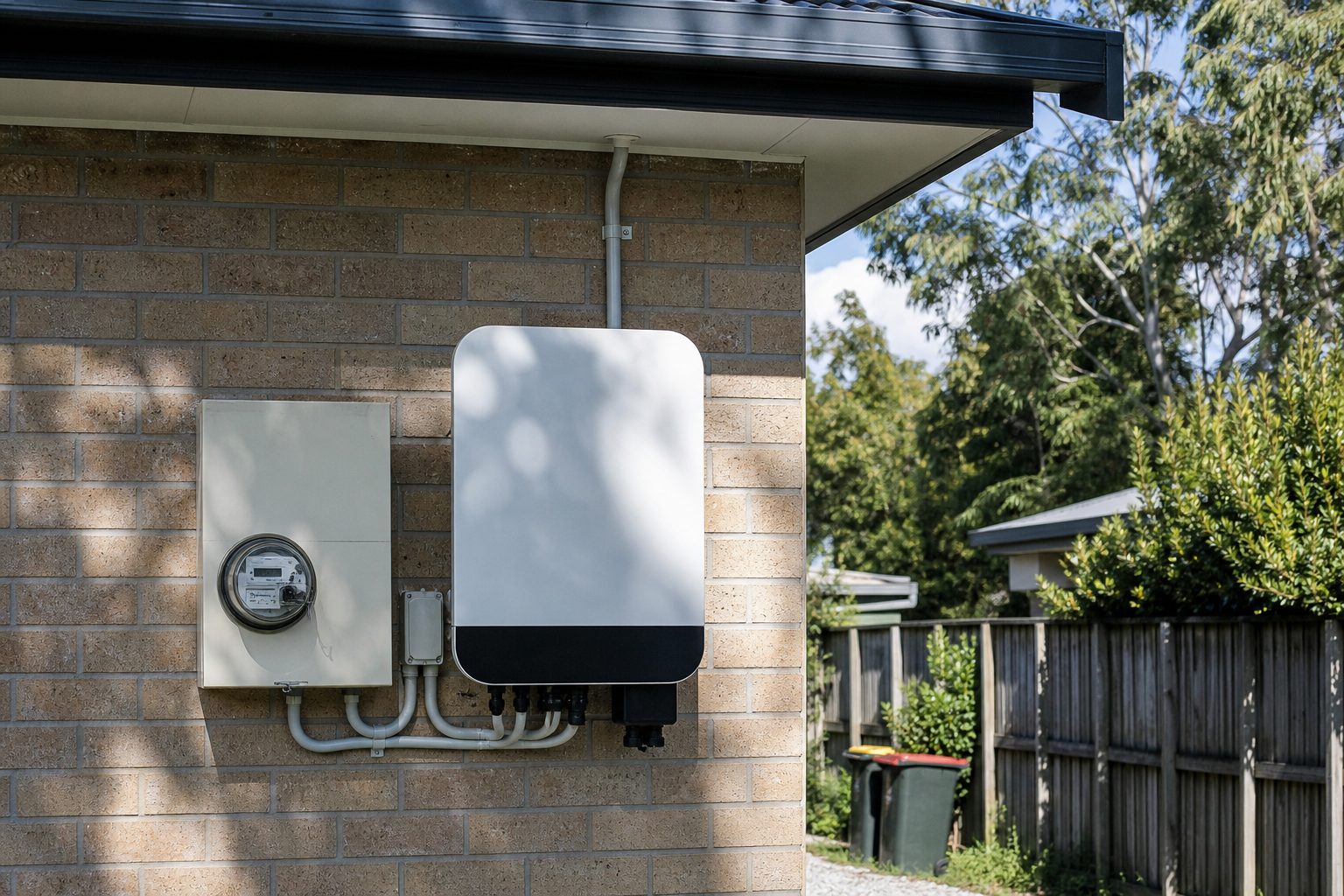
Your solar panels might be spotless and your battery fully charged, but if the inverter is throwing a fault code, your system isn't generating a cent. Inverters are the most failure-prone component in a typical rooftop solar setup — yet most homeowners have no idea what to do when a red light starts blinking.
This guide walks you through the most common inverter faults in Australian systems, what causes them, and exactly what steps to take.
Why Inverters Fail More Often Than Panels
Solar panels are passive — no moving parts, minimal heat stress, and a typical lifespan of 25+ years. Inverters are the opposite. They work hard every sunny day, converting DC electricity from your panels into AC for your home. Heat, dust, voltage spikes, and grid fluctuations all take a toll.
Most string inverters carry a 5–10 year warranty; premium models stretch to 12 years. Microinverters and hybrid inverters often warrant 10–15 years. Either way, faults can and do occur well within the warranty period — so knowing how to document them matters.
Reading the Warning Signs
Before you can fix anything, you need to know what your inverter is telling you. Most modern inverters — Fronius, SolarEdge, Sungrow, Goodwe, Enphase — display fault codes either on a screen, via a flashing LED sequence, or through a monitoring app.
Common fault categories include:
- Grid fault / isolation fault — the inverter can't see a stable grid connection
- Earth fault / insulation fault — a wiring or panel insulation problem
- Over-temperature — the inverter is overheating, often due to poor ventilation
- Over-voltage / under-voltage — grid voltage is outside acceptable limits
- Arc fault — DC arcing detected, usually a wiring issue (serious — stop the system)
- Communication fault — the monitoring system has lost contact but the inverter may still be working
Note the exact code from your screen or app, then look it up in your inverter's manual or the manufacturer's online fault code database. Every brand uses different numbering, so generic searches often mislead.
What You Can Safely Check Yourself
Some faults have simple, DIY-safe causes. Before calling anyone, work through these steps:
Ready to get started? Post your job free and local maintenance tradies can quote.
- Check the monitoring app — confirm whether the inverter is actually offline or just failing to report. Sometimes it's a Wi-Fi dropout, not a system fault.
- Inspect the isolator switches — the AC isolator near your meter board and the DC isolator on the roof (or near the inverter) should both be switched ON during daylight hours. A tripped switch is a very common cause of a 'dead' inverter.
- Look at the inverter display — record the fault code exactly as shown.
- Check ventilation — if the inverter is in direct sun or inside a closed cabinet, overheating faults are likely. Inverters need at least 30 cm clearance and shade if possible.
- Restart the inverter — most manufacturers allow a controlled restart. Follow your manual's sequence (usually: turn off AC isolator, turn off DC isolator, wait 5 minutes, reverse the sequence). This clears temporary faults caused by grid disturbances.
Faults That Need a Licensed Electrician
Australia's electrical safety rules are strict, and for good reason. The following faults are not DIY territory — you need a licensed electrician or Clean Energy Council (CEC) accredited installer:
| Fault Type | Why a Pro Is Needed |
|---|---|
| Earth/insulation fault | Could indicate damaged panels or wiring — shock and fire risk |
| Arc fault | DC arcing is a fire risk; system must be inspected before restarting |
| Persistent grid fault | May require a network check or inverter replacement |
| Physical damage to inverter | Warranty repairs must be done by an authorised technician |
| Any fault after a storm or rodent damage | Wiring integrity must be verified |
When you call, have your fault code, inverter model, serial number, and installation date ready. If your system is under warranty, contact your original installer first — using an unauthorised repairer can void the warranty.
Over-Voltage: Australia's Most Common Ongoing Fault
Grid over-voltage is worth a special mention because it's endemic across suburban Australia. As more homes add solar, local grid voltage rises — especially during the middle of the day when everyone's exporting. When voltage exceeds 253V (the upper limit under AS 60038), your inverter is legally required to disconnect or throttle output.
If your monitoring app shows frequent daytime disconnections with no obvious fault code, over-voltage is likely the culprit. Solutions include asking your network operator to adjust the voltage at the transformer, or having your inverter's Volt-Watt response curve adjusted by your installer. Some inverters handle this better than others.
Actionable Takeaway
Set a reminder to check your inverter monitoring app once a week — don't wait for the quarterly power bill to reveal a problem. Most inverter apps will send push notifications for faults, but these are often disabled by default. Turn them on now, note your inverter's model and serial number somewhere accessible, and download your manual so you're not scrambling when a fault code appears on a Sunday afternoon.
A well-maintained inverter keeps your system earning. A silent fault left unchecked can cost you weeks of lost generation — and in 2026, with feed-in tariffs as lean as they are, every kilowatt-hour counts.
Done researching? The next step is getting real quotes.
Get My Quotes — It’s Free →No obligation. Takes 60 seconds.
Business for sale
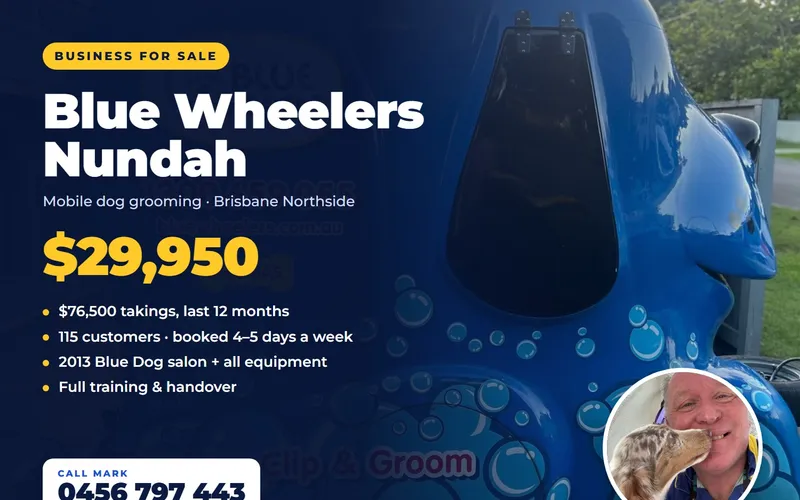
Established Blue Wheelers Mobile Dog Grooming Business – Nundah, Brisbane Northside
Established Blue Wheelers mobile dog grooming business on Brisbane's northside: 115 customers, about $76,500 in takings over the last 12 months, booked 4–5 days a week, with full training and handover.
Local tradies on TradiHub AI
See all →We don't have a matching tradie listed yet. Post your job free and local tradies can quote you directly.
Post a job, free →More tradies on TradiHub AI
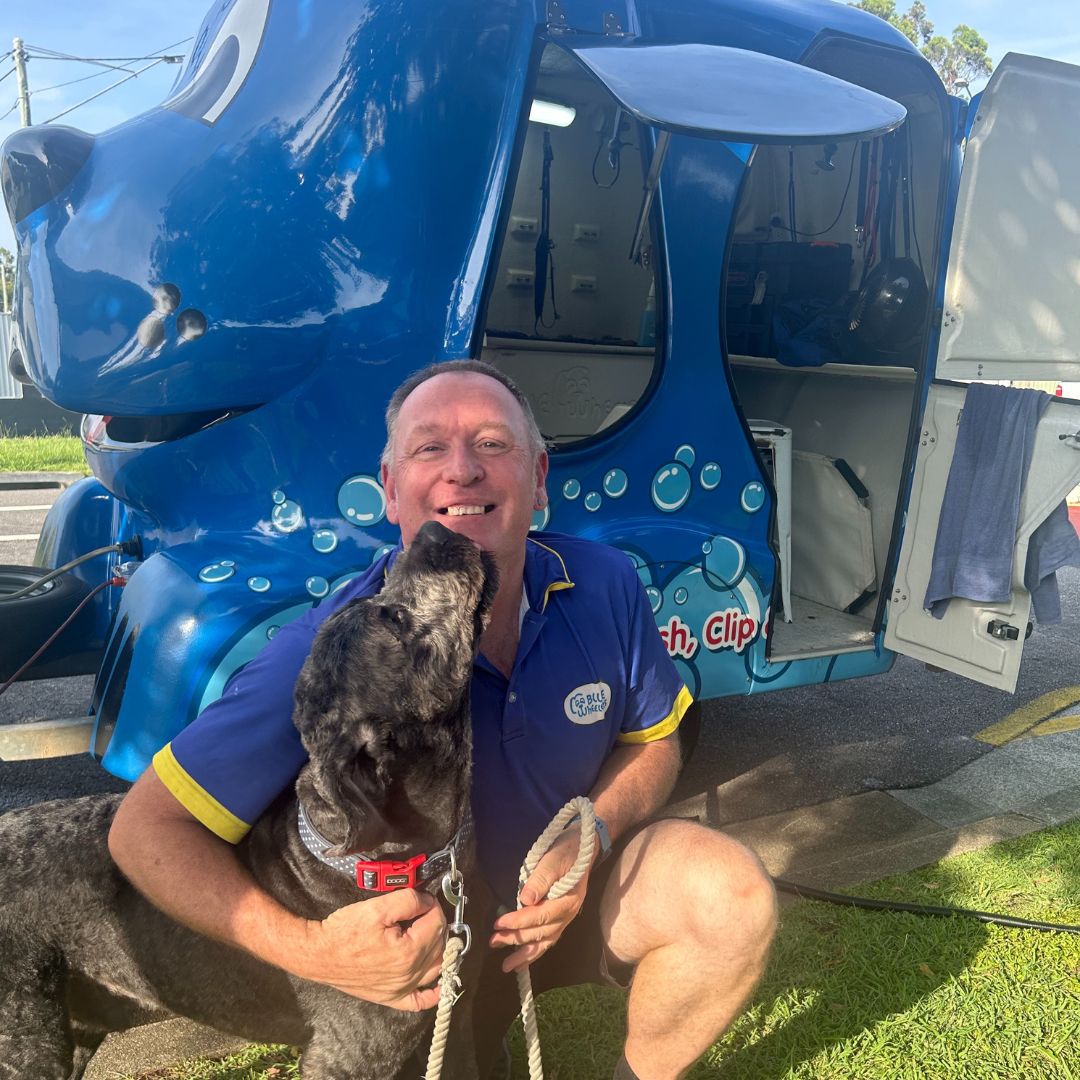
Blue Wheelers Nundah — Mobile Dog Grooming
Dog Grooming
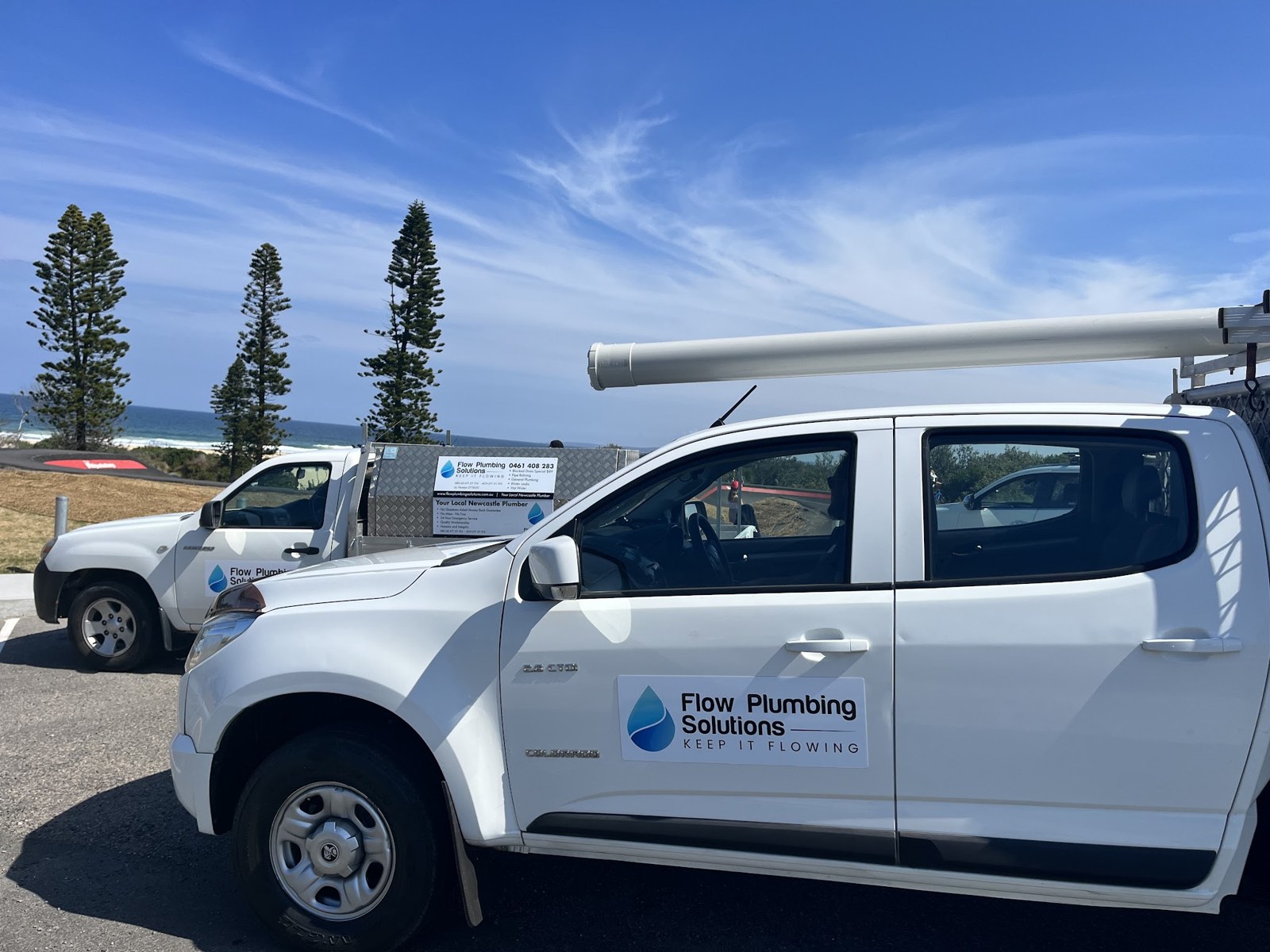
Flow Plumbing Solutions
Plumbing · Gas Fitting
Gold Class Pressure Washing
Cleaning · Pressure Cleaning
Find local:Solar installers in Acacia RidgeSolar installers in IndooroopillySolar installers in ToowongSolar installers in Bulimba
For tradies
Tradies: get found by local homeowners
A free-to-start local directory with your real Google reviews and an ABN-checked tick. No per-lead fees, no lock-in. Founding members wanted.