Solar-Powered EV Charging at Home: What It Actually Costs
A clear breakdown of setup costs, savings potential, and payback times for charging your EV with rooftop solar in Australia.
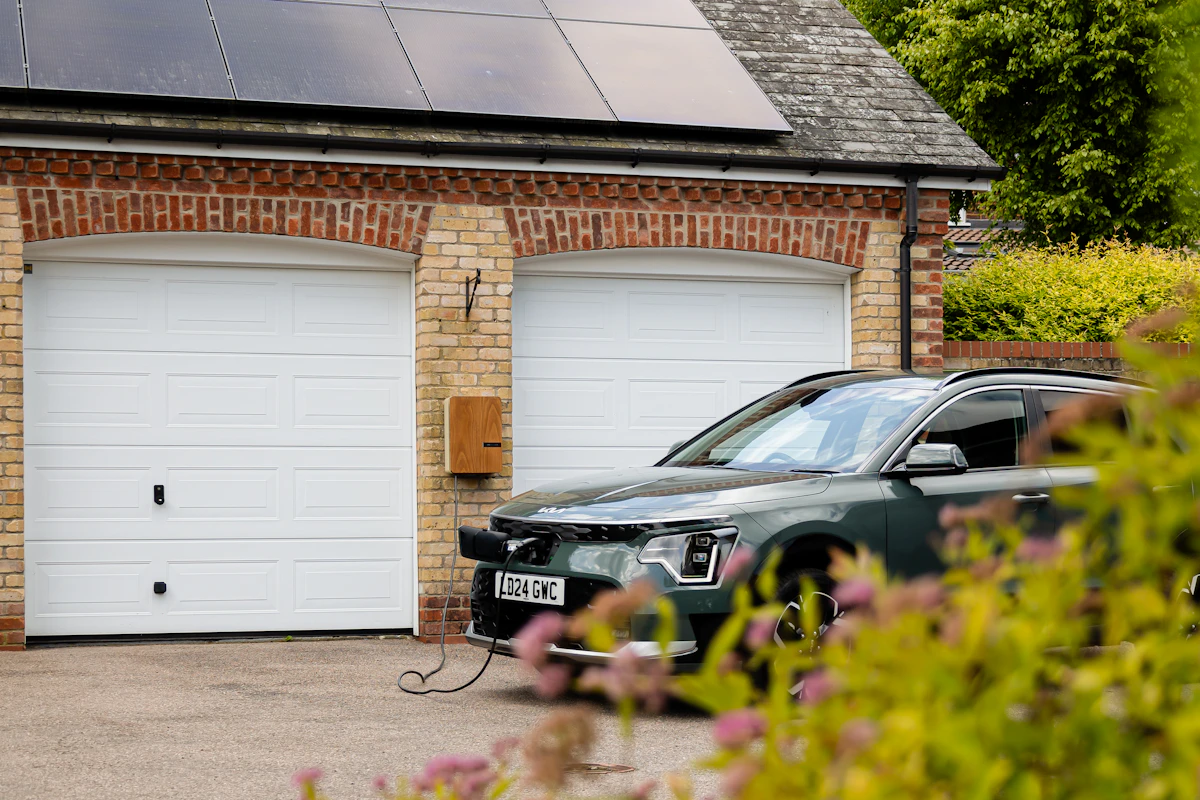
Charging an electric vehicle with your own rooftop solar sounds like the obvious win — free fuel from the sun. The reality is slightly more nuanced, but still very compelling once you understand the numbers involved.
The Core Setup You Need
To reliably charge an EV from solar, you need three things working together:
- Rooftop solar system — typically 6.6 kW to 10 kW for a household that also wants to cover daytime EV charging
- A dedicated Level 2 home charger (EVSE) — a 7 kW AC wallbox is the standard residential choice
- Either good daytime habits or a home battery — without a battery, solar charging only works while the sun is up
If you already have solar, the main new cost is the wallbox and its installation.
What Does It Cost to Set Up?
Prices vary by state, installer, and equipment brand, but here are realistic 2025 figures:
| Component | Typical Cost (AUD) |
|---|---|
| 7 kW AC wallbox (e.g. Wallbox Pulsar, Zappi, Fronius Wattpilot) | $800 – $1,800 |
| Electrician installation (standard single-phase) | $400 – $900 |
| Switchboard upgrade (if needed) | $800 – $2,000 |
| Total without existing solar | $1,200 – $4,700 |
| Add 6.6 kW solar system (if not already installed) | $5,500 – $8,500 |
If your switchboard is modern and your solar is already in place, a quality wallbox install can come in under $2,000 all up.
How Much Can You Actually Save?
The average Australian drives roughly 15,000 km per year. A typical EV uses around 18 kWh per 100 km, so you need approximately 2,700 kWh annually to cover that distance.
Charging from the grid at peak rates (say, 35c/kWh) costs around $945/year.
Charging from solar you'd otherwise export at a feed-in tariff of 5–8c/kWh means you're effectively using power that earns you almost nothing. Redirecting it to your EV saves you close to the full retail rate — roughly $850–$920/year in avoided grid costs.
Ready to get started? Local ev charging tradies are available now.
Charging from surplus solar (power you'd genuinely export) delivers savings of around $850+ per year, depending on your grid tariff and how well you time your charging.
Solar-Optimising Chargers: Worth the Extra Cost?
Smart chargers like the Zappi or Fronius Wattpilot can automatically ramp charging up and down based on how much surplus solar is available. This means your car charges faster when the sun is strong and slows down during clouds — all without you touching anything.
These units cost $300–$600 more than a basic wallbox, but they're worthwhile if:
- You're home during the day (or the car is parked at home)
- You have a solar system larger than 5 kW
- You don't have a home battery and want to maximise self-consumption
Without a smart charger, the next best option is simply scheduling your charge to run between 10am and 3pm using your EV's built-in timer.
Does Adding a Battery Change the Equation?
A home battery (such as a BYD HVS or Sungrow SBR) lets you store solar generated during the day and use it to charge your EV in the evening — which suits most Australians' schedules better.
However, batteries typically add $8,000–$15,000 to your system cost. At current electricity prices, a battery alone rarely pays back in under 8–10 years. The smarter move for most people is:
- Install solar and a smart EV charger first
- Adjust your charging schedule to daytime where possible
- Consider a battery later if your grid tariff rises or your usage grows
State Rebates and Incentives to Check
Several states offer EV-related incentives that can reduce your upfront costs:
- Victoria: Zero-interest EV loans available under the Solar Homes program (check current eligibility at solar.vic.gov.au)
- Queensland: Occasionally runs EV charger rebate programs — worth checking the Business Queensland and DESI websites
- ACT: Offers interest-free loans for EVs and home charging equipment
- Federal: No direct charger rebate, but EVs under the FBT exemption threshold benefit salary-packaging users significantly
Always verify current offerings before budgeting, as these programs open and close regularly.
Actionable Takeaway
If you already have rooftop solar, adding a 7 kW smart wallbox is one of the highest-returning upgrades you can make — often paying back in 2–4 years through avoided fuel costs. Get at least three quotes from Clean Energy Council-accredited electricians, confirm your switchboard can handle the load, and choose a charger that communicates with your inverter for automatic solar optimisation. The combination of solar and home EV charging is genuinely one of the most practical ways to cut household running costs in Australia right now.
Done researching? The next step is getting real quotes.
Get My Quotes — It’s Free →No obligation. Takes 60 seconds.